


The Ultimate Guide to Sexual Lubricants: Types, Uses, and What to Avoid
A guide to personal lubricants, when to use them, and what to avoid.


Silicone Lube
reviews



Delay Spray
reviews

Table of Contents
Let’s be real—lubrication can make sex more comfortable, pleasurable, and stress-free. Whether you’re dealing with dryness, exploring new sensations, or just want a smoother experience, lube can be a game-changer. But with so many types out there—and a few popular household items people think are safe—it’s easy to feel overwhelmed or misinformed.
This guide is here to cut through the confusion. We’ll walk you through the main categories of lubricants, when and how to use them, and which substances should never go near your most sensitive areas. Whether you’re flying solo, with a partner, or navigating menopause or ED, the right lube can enhance intimacy and protect your health.
Let’s dive into everything you need to know.
What Is Sexual Lubricant and Why Use It?
At its core, sexual lubricant is any substance used to reduce friction during sexual activity. While the body can produce its own natural lubrication—primarily through arousal—not everyone produces enough, and even those who do may find added lube makes the experience more comfortable or pleasurable.
Why People Use Lubricant
There are many reasons someone might reach for a lubricant, and all of them are valid:
- Vaginal dryness: This can happen due to hormonal changes (like menopause, breastfeeding, or birth control), certain medications, or simply stress.
- Enhanced comfort: Penetration, whether vaginal or anal, can sometimes feel too dry or intense without added lubrication.
- Masturbation: Many people find that lube enhances solo play, offering a smoother, more enjoyable sensation.
- Sexual exploration: Using sex toys, trying new positions, or engaging in longer sessions often calls for extra glide.
-
Medical conditions: Erectile dysfunction, vaginismus, or pelvic floor issues can all benefit from the use of lubricant to reduce discomfort and support intimacy.
More Than Just Moisture
Lube isn’t just about avoiding pain—it’s about increasing pleasure. It can reduce irritation, help prevent microtears that increase the risk of STIs, and make sex more relaxed and satisfying overall. For many couples, using lube becomes a normal, even playful part of foreplay and intimacy.
And it's not just for those dealing with dryness or difficulty. Plenty of sexually active adults use lube to enhance sensation and add comfort, no matter their age or situation. It’s a small addition with a big payoff.
The Main Types of Lubricants
Not all lubes are created equal—and choosing the right one can make all the difference. From water-based to silicone blends, each type has its own pros and cons depending on your body, preferences, and how you plan to use it.
Water-Based Lubricants
Best for: everyday use, compatibility with condoms and sex toys
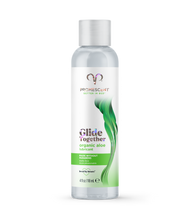
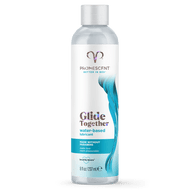
Water-based lubes are the most popular and widely available. They’re easy to clean, safe with latex condoms, and compatible with almost all toys—especially those made of silicone, which can degrade with other lube types.
Pros:
- Non-staining and easy to wash off
- Safe for internal use (vaginal or anal)
- Works well with most materials
Cons:
- Can dry out quicker, especially during longer sessions
- May need to be reapplied or reactivated with water/saliva
Water-based lubes are a solid choice for most people and often recommended for first-time users.
Silicone-Based Lubricants
Best for: long-lasting glide, shower or bath play
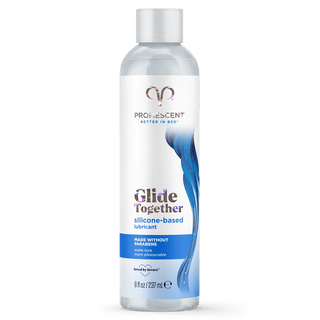
Silicone lubes are known for their silky texture and impressive staying power. Because they don’t evaporate as quickly as water-based lubes, they’re perfect for prolonged play or situations where you need durability—like water sex or anal play.
Pros:
- Ultra-long lasting with minimal reapplication
- Great for water-based activities (doesn’t wash away easily)
Cons:
- Can damage silicone toys
- May require soap and water for removal
If you use silicone toys, double-check compatibility or stick to water-based options.
Oil-Based Lubricants
Best for: massage and some types of partner play (not involving latex)
These lubes include natural oils (like coconut or almond oil) and synthetic oils (like mineral oil or petroleum jelly). While they can feel luxurious and moisturizing, they come with caveats.
Pros:
- Often very slick and long-lasting
- Can double as massage oil
Cons:
- Not safe with latex condoms (can cause breakage)
- Can clog pores or increase risk of infection (especially vaginally)
- Harder to clean up
Oil-based lubes are best for external play or when pregnancy/STI protection isn’t a concern.
Hybrid Lubricants
Best for: combining smoothness and compatibility
These are blends—usually of water and silicone—that offer the best of both worlds. Hybrid lubes are slicker and longer-lasting than water-based alone but still easier to clean than pure silicone.
Pros:
- Balanced texture and longevity
- Often toy- and condom-safe (but always check the label)
Cons:
- May still be incompatible with some silicone toys
- Can be more expensive than single-type lubes
A good hybrid can be a versatile option for couples who want variety without constantly switching products.
Special-Use Lubricants
Beyond the basic categories, there’s a whole world of specialty lubricants designed to enhance sensation, support specific types of play, or address unique needs. Here’s a closer look at some of the most common varieties:
Warming, Cooling, and Flavored Lubes
Sensory lubes are designed to add an extra dimension to sex through temperature or taste.
- Warming lubes create a gentle heat sensation, often triggered by friction or breath. Great for heightened arousal but can be irritating for sensitive skin.
- Cooling lubes use ingredients like menthol to provide a tingling chill, popular in oral sex or for those who enjoy contrast.
-
Flavored lubes are made for oral play, available in a wide range of tastes—from sweet to spicy. Just make sure they’re sugar-free to avoid yeast infections.

Note: These lubes may contain additional ingredients like glycerin or menthol, so patch-testing or checking for sensitivities is a smart move.
Lubes for Anal Sex
Anal tissue doesn’t self-lubricate, so added lube is absolutely essential for comfort and safety.
- Silicone-based lubes are often preferred here because they last longer and provide more cushioning.
- Some anal lubes also contain numbing agents—be cautious, as these can mask pain and increase injury risk if not used mindfully.
Look for labels that say "anal-safe" and opt for thicker formulas that reduce friction more effectively.
Vaginal Moisturizers vs. Lubricants
It’s worth distinguishing between lubricants (used during sex) and vaginal moisturizers (used regularly to relieve chronic dryness).
- Moisturizers help maintain natural moisture and pH over time.
- Lubes provide immediate glide for intercourse or foreplay.
If you experience ongoing dryness—especially related to menopause or medications—it may help to use both types.
Promescent's Role in Specialized Lubes
Promescent offers lubricants that go beyond the basics. Designed for enhanced pleasure and sensitivity control, their products include:
- Performance-enhancing lubes that work in tandem with other Promescent offerings, like their delay spray for men.
-
pH-balanced formulas to support vaginal health and comfort.
These options are ideal for couples looking to tailor their experience with added intention and care.
What Not to Use as Lube
When you're in the moment, grabbing whatever’s nearby might seem like a good idea—but certain household products can cause more harm than good when used as lubricants. Here’s what to steer clear of and why.
Common Substances People Use (But Shouldn’t)
You might’ve heard that these are “natural” or harmless, but they’re not designed for internal use—and they can mess with your body’s delicate balance.
- Coconut oil: While popular in wellness circles, it can trap bacteria, disrupt vaginal pH, and isn’t safe with latex condoms.
- Baby oil, mineral oil, petroleum jelly (Vaseline): These are heavy, hard to wash out, and create a breeding ground for bacteria. They can also weaken latex, increasing the risk of condom breakage.
- Lotion or body creams: Often contain fragrances and alcohols that can irritate sensitive genital tissue.
- Saliva: It dries out quickly and can introduce bacteria from the mouth into the vagina or rectum, increasing infection risk.
-
Butter or cooking oils: Aside from being condom-unfriendly, they can cause irritation and are tough to clean up.
Why These Are Problematic
- pH disruption: The vagina maintains a specific pH to stay healthy. Many oils and creams can throw this off, leading to yeast infections or bacterial vaginosis.
- Condom incompatibility: Oil-based substances break down latex, making condoms more likely to tear.
-
Infection risk: Thick, occlusive substances can trap bacteria or clog pores, leading to infections or irritation.
Safe Rule of Thumb
If it’s not labeled as a sexual lubricant—or doesn’t explicitly state that it’s safe for internal use—it’s better to skip it. Your body (and your partner) will thank you.
Choosing the Right Lube for You
With so many options on the shelf, picking the right lubricant can feel overwhelming. But the key is knowing your needs, your body, and the context in which you'll be using it. Here's how to narrow it down.
Consider Your Body and Sensitivities
- Sensitive skin? Look for fragrance-free, glycerin-free, and paraben-free formulas.
- Prone to infections? Opt for pH-balanced water-based lubes specifically designed for vaginal health.
-
Post-menopause or dryness issues? Try a vaginal moisturizer for daily relief and a thicker, long-lasting lube during intimacy.
Think About Your Activities
- Solo play with toys: Water-based or hybrid lubes are usually toy-safe.
- Condom use: Avoid oil-based lubes with latex condoms. Stick to water or silicone.
- Anal sex: Go for thicker, longer-lasting formulas—typically silicone-based or specific anal lubes.
-
In or near water (like showers): Silicone lubes won’t wash off easily and are great for slippery settings.
Read the Label
Here’s what to check:
- Ingredients list: Avoid products with irritating additives like dyes, sugars, and alcohols.
- Compatibility warnings: Especially for toy use or condom safety.
-
Specialty features: Such as warming or desensitizing effects—these can be fun but should be used mindfully.
Trust Your Experience
It may take some trial and error to find your perfect match—and that’s okay. If one type doesn’t work for you, try another. You deserve comfort and pleasure that works for your body.
Lube as a Normal, Healthy Part of Sex
For far too long, lubricant has been viewed as something only necessary when “something’s wrong.” But the truth is, lube is one of the simplest, most effective tools for enhancing comfort, pleasure, and connection—at any age and in any kind of sexual relationship.
Breaking the Stigma
Using lubricant doesn’t mean your body is failing or that you’re “not into it enough.” It means you’re paying attention to what you and your partner need for a more enjoyable experience. From young couples to those navigating changes in hormones or health, lube is a smart, respectful choice—not a last resort.
A Tool for Pleasure and Communication
Choosing to use lube can open the door to better communication with your partner about what feels good, what doesn’t, and how to support each other’s needs. It can also reduce the anxiety or discomfort that sometimes comes with dryness, ED, or longer sessions.
Promescent products, for example, are designed to be part of this conversation—not just enhancing performance, but helping couples feel more in sync and more confident in their sexual well-being.
When to Talk to a Healthcare Provider
If you’re experiencing persistent dryness, irritation, or pain during sex—even with lubrication—it’s worth speaking to a healthcare provider. These symptoms can be linked to hormonal shifts, medical conditions, or medications, and deserve thoughtful care.
Frequently Asked Questions About Sexual Lubricants
Do I really need to use lube?
Not always—but it can make a big difference. Lube reduces friction, enhances comfort, and can help prevent irritation or microtears. It’s helpful for anyone, whether you’re dealing with dryness, exploring new things, or just want a smoother, more pleasurable experience.
What’s the best type of lube for everyday sex?
Water-based lubricants are usually the most versatile for everyday use. They’re condom- and toy-safe, easy to clean, and gentle on the body.
Can I use silicone lube with sex toys?
It depends. Silicone-based lubes can damage silicone toys over time. If you’re using silicone toys, stick to water-based or hybrid lubricants unless the toy manufacturer says otherwise.
Is coconut oil safe to use as lube?
Not really. Coconut oil can disrupt vaginal pH, trap bacteria, and isn’t safe to use with latex condoms. Stick to lubes specifically made for sexual activity.
What lube is best for anal sex?
Silicone-based lubes or thick, anal-specific water-based formulas are ideal. Anal sex requires more lubrication and staying power since the area doesn’t self-lubricate.
Can lube help with dryness during menopause?
Yes. Look for pH-balanced water-based lubricants and consider using a vaginal moisturizer regularly. These products can offer both immediate and ongoing relief.
Is flavored lube safe?
Flavored lubes are safe when designed for sexual use—but always check that they’re sugar-free to avoid yeast infections, and avoid using them internally unless the label says it’s safe.
What ingredients should I avoid in lube?
Avoid lubes with glycerin, parabens, dyes, fragrances, or alcohols if you have sensitive skin or are prone to infections. Always read the label before using.
Can I use saliva as lube?
It’s not recommended. Saliva dries out quickly and can introduce bacteria to sensitive areas, increasing the risk of infections.
How do I choose the right lube?
Think about your needs: skin sensitivity, toy use, condom compatibility, and the kind of sex you’re having. Trying new producs is a great way to find the right product that feels good and supports your experience.
Bottom Line
Lube is one of the easiest ways to make sex better—more pleasurable, more comfortable, and more connected. Whether you’re new to using it or just exploring new options, this guide is here to help you feel informed, empowered, and excited about enhancing your sexual health.
You deserve intimacy that feels good—and the right lube can help get you there.
The Promescent Team
Our team has over a decade of experience in the sexual wellness field and are experts in sexual dysfunctions, like premature ejaculation. We help couples and individuals better understand treatment options available for different types of sexual needs and educate the public on all things related to intimacy. All of our authored content is medically reviewed for accuracy and reliability.
Share article:


Guides


Blogs



Delay Spray
reviews